

LEE COUNTY, IOWA — Mesabi Metallics, a wholly owned subsidiary of India-based conglomerate Essar Group, plans to develop a new $15 billion steel mill in southeast Iowa’s Lee County. Rewant Ruia, chairman of Mesabi Metallics, made the announcement at The White House yesterday along with Iowa Gov. Kim Reynolds and President Donald Trump.
The new plant is expected to create 6,000 temporary construction jobs. Once the facility is operational, which is expected by 2030, the mill will employ an estimated 1,750 full-time team members.
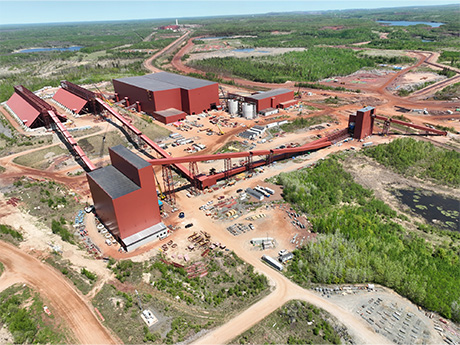
Combined with the $3 billion that the company is using to complete its iron ore mine in Nashwauk, Minn., the investment by Mesabi represents the largest single investment made in a steel complex in American history, according to Mesabi.
“Mesabi is building a world-class steel supply chain that is 100 percent American,” says Joe Broking, CEO of Mesabi Metallics. “Our investment will create high-paying jobs with competitive benefits in Iowa and Minnesota, generate tens of billions of dollars in U.S. economic activity and strengthen our domestic manufacturing base.”
Mesabi will utilize pellets, dubbed Patriot Pellets, procured from iron ore at its Minnesota mine, which is the first new iron ore mine built in the United States in the past 50 years. The mine will support 350 full-time jobs once fully operational, according to Mesabi.
The Iowa complex will process the Patriot Pellets via its hot direct-reduced iron (DRI) technology and feed the newly created metallic iron and scrap metal into its electric arc furnace (EAF) system to create steel. Mesabi says that the combination of the mining in Minnesota and DRI and EAF technologies at the Iowa plant will allow the company to “cost effectively produce a fully domestic, sustainable, high-quality finished steel product.”
The project is estimated to create $95 billion in total economic output during the construction phase and first 10 years of operation. According to a White House statement, the new steel mill will produce 7.5 million tons of steel annually in its first phase of operation then 10 million tons annually thereafter.
— John Nelson