

GREENSBORO, N.C. — Life Care Services (LCS) has completed the first phase of a $75 million expansion project at WhiteStone, a continuing care retirement community (CCRC) in Greensboro. LCS manages the Masonic and Eastern Star community. This phase of the expansion added 67 one- and two-bedroom independent living units to the property. In addition, the Care and Wellness Center renovations include a rehabilitation gym, courtyard and gardens, and enhanced salon and spa. WhiteStone partnered with SFCS Architects and Blum Construction to execute the project. The community expects to add more than 45 new employees in Greensboro due to the expansion. The final phase of the expansion project is scheduled for completion in the fall and will include 24 assisted living residences and 12 memory care suites.
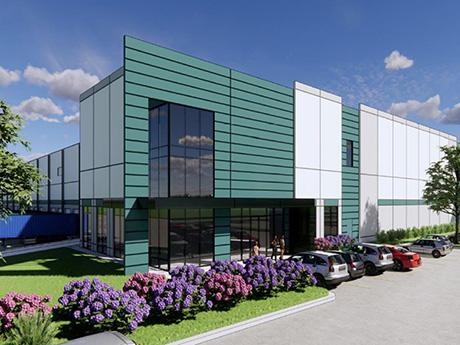
LAURENS, S.C. — Patterson Real Estate Advisory Group has secured an undisclosed amount of joint venture equity for the development of Building A at Hunter Industrial Park in Laurens, a new industrial development situated roughly 35 miles southeast of Greenville and Spartanburg. The financial intermediary arranged the financing through The Guardian Life Insurance Co. of America on behalf of the borrower, Appian Investments/NAI Earle Furman. Patterson also arranged construction financing through First Carolina Bank on behalf of the borrower. Construction is scheduled to begin immediately.
COLLEGE STATION, TEXAS — Arizona-based lender Arriba Capital has provided a $28.5 million construction loan for a new student housing project that will serve students at Texas A&M University in College Station. The complex will feature 339 beds across 199 units, each of which will have a full kitchen, study desks and washer and dryer. Communal amenities will include a pool, fitness center, study lounges and a game room. BKV Group is the project architect, and McGough is the general contractor. The borrower was not disclosed.

CENTERVILLE, GA. — Forman Capital has provided a $22.5 million loan for the lot acquisition and construction of a build-to-rent (BTR) residential community located at 3930 US Highway 41 in Centerville, about 21 miles south of Macon, Ga. Upon completion, the first phase of the development will comprise 109 single-family rental homes in two-, three- and four-bedroom layouts, with monthly rents expected to range from $1,900 to $2,400. Parkland Homebuilders, an affiliate of Alpharetta, Ga.-based Parkland Communities, is the borrower and developer. Plans for the community include four phases and a total of 317 homes.
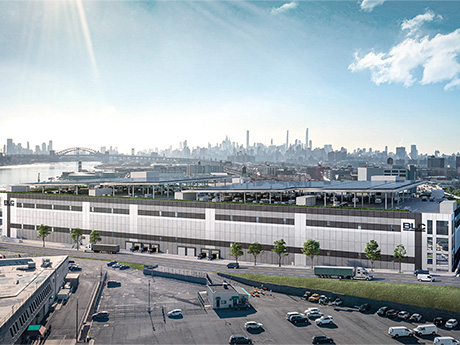
NEW YORK CITY — A joint venture between Turnbridge Equities and Dune Real Estate Partners is nearing completion of Bronx Logistics Center, a 1.3 million-square-foot industrial project on the borough’s south side. The site at 980 E. 149th St. is an assemblage of five parcels and spans 14.2 acres. The facility will offer a clear height of 32 feet and more than 1,500 parking spaces. The development team expects to complete the project by the end of the year.
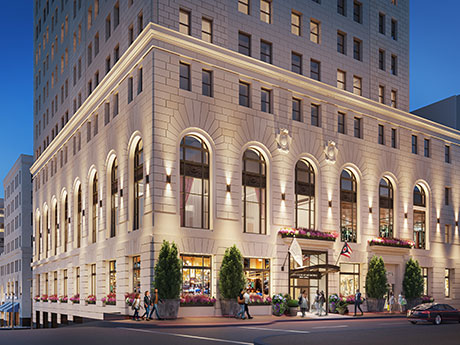
CINCINNATI — City Club Apartments (CCA) has topped off construction of its Union Central development in downtown Cincinnati. The project will combine both the Union Central building and the Annex building, currently CCA CBD Cincinnati, to become City Club Apartments Union Central, an apartment and penthouse community. There will be a total of more than 575 units. First move-ins are slated for November. Residents will have access to amenities located across the two buildings and connected by a sky bridge. Union Central will have a 19th-floor sky park with a pool overlooking the Ohio River, outdoor kitchen, sky club, lobby lounge library and penthouse clubroom. The Annex will have an indoor-outdoor pool, sky park, sky club and lobby lounge library that is directly connected to the Shires Café. Union Central will also have a restaurant, salon, health club, dry cleaner and pet store. The Annex will feature a rooftop restaurant named the Views at Shires Garden, along with a daycare, market and pet spa. CCA coworking amenities include conference rooms, two business centers, communal tables and high-speed WiFi throughout the common areas.
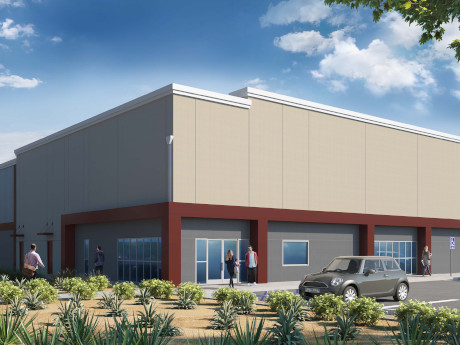
FONTANA, CALIF. — JLL Capital Markets has arranged $16.2 million in senior financing on behalf of Iconic Equities for the development of a 5.6-acre industrial outdoor storage (IOS) facility located at 8247 Lime Ave. in Fontana. JLL worked on behalf of the borrower to secure the financing through Shelter Growth (SG) Capital Partners. Upon completion, the IOS property will serve as a truck yard and contain an onsite 12,500-square-foot warehouse and distribution building. The property will offer end-users the opportunity to stack metal storage containers while providing ample truck parking.
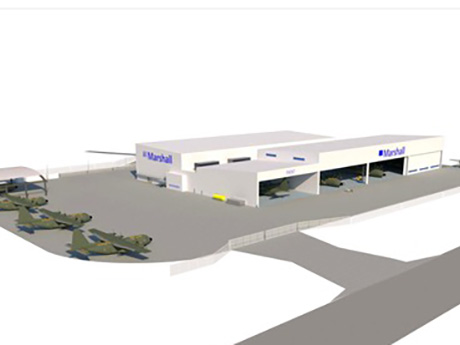
GREENSBORO, N.C. —Walker & Dunlop has arranged construction financing and joint venture equity for the development of Lynxs GSO Technix, a build-to-suit maintenance and repair operations (MRO) facility at Piedmont Triad International Airport in Greensboro. Upon completion, the development will feature a 218,200-square-foot building with an MRO hangar, paint hangar and office and support space, as well as a 396,386-square-foot apron for aircraft fueling, defueling and washing. Lynxs GSO will also include seven bays with six standard hangars and one paint hangar. Tom Fish and Drew Van Norman of Walker & Dunlop secured the financing on behalf of the borrower, Lynxs Group. An affiliate of UK-based Marshall Aerospace will occupy the facility.
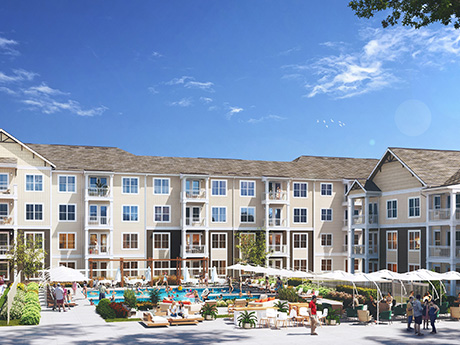
CHARLOTTESVILLE, VA. — GW Real Estate Partners and Virtus Real Estate Capital have broken ground on a 279-unit apartment community located at the entrance to North Pointe, a 224-acre mixed-use development in Charlottesville. Dubbed The Ridge at North Pointe, the community will comprise seven three-story buildings with units in one-, two- and three-bedroom floor plans averaging 988 square feet, as well as 502 parking spaces. Delivery is scheduled for the second quarter of 2024. United Bank provided construction financing for the project.
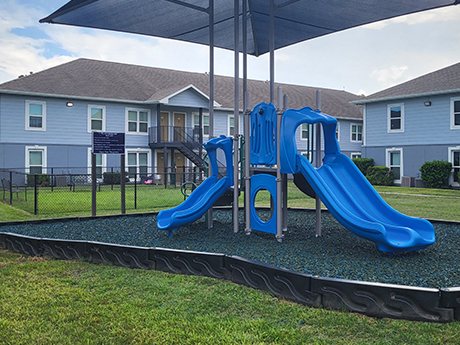
PASADENA, TEXAS — An affiliate of New York City-based Olive Tree Holdings has completed the $4 million renovation of The Life at Beverly Palms, a 308-unit apartment community located in the eastern Houston metro of Pasadena. The property was built in 1971 and offers one-, two- and three-bedroom units. Unit interiors received new paint and windows, and exterior upgrades included refreshed sidewalks, roofs and landscaping. Olive Tree also enhanced the amenity spaces, which include a community room, pool, picnic area, laundry center, dog park and playground.