

TYLER, TEXAS — Northmarq has arranged the sale of Finley Apartments, a 200-unit multifamily property in Tyler, about 100 miles east of Dallas, that was built in 1977. According to Apartments.com, the property offers one- and two-bedroom units ranging in size from 620 to 1,016 square feet. Amenities include a pool, clubhouse, fitness center, tennis court, package handling service, outdoor grilling and dining areas and onsite laundry facilities. Taylor Snoddy, Philip Wiegand, Eric Stockley and Charles Hubbard of Northmarq represented the undisclosed seller in the transaction. Fritz Waldvogel of Colliers Mortgage originated the 10-year loan on behalf of the buyer.
GRAND PRAIRIE, TEXAS — Outdoor apparel and equipment retailer Bass Pro Shops will open a 100,000-square-foot store in Grand Prairie, located in the central part of the Dallas-Fort Worth (DFW) metroplex. The standalone store, which will be the retailer’s fifth location in the region and 15th in Texas, will be constructed from the ground up and will feature a unique custom design. The opening is slated for spring 2024. TA Land Fund, a joint venture between the Dallas-based office of Trez Capital and Charlie Anderson, owns the land on which the store will be built.
PLANO, TEXAS — Law firm Carstens, Allen & Gourley has signed a 12,500-square-foot office lease at One Legacy Circle in Plano. The firm, which specializes in intellectual property cases, now occupies the third floor of the newly renovated building. Roy Reis and Jim Hazard of Cresa represented the tenant in the lease negotiations. Russ Johnson and Lauren Perry of JLL represented the landlord, Franklin Street Properties Corp.
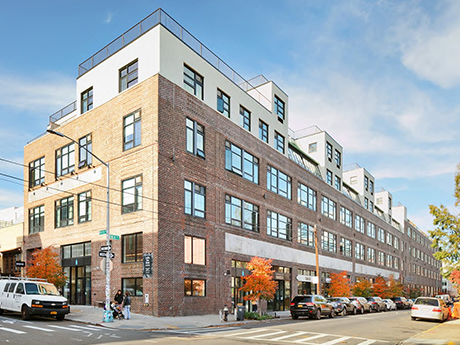
NEW YORK CITY — Northmarq has arranged a $50 million loan for the refinancing of The Lewis Steel Building, an 83-unit apartment building in Brooklyn’s Williamsburg neighborhood. The five-story property, which includes 13,285 square feet of ground-floor commercial space, was originally constructed in the 1930s as a steel factory and converted to residential use in 2015. Robert Ranieri of Northmarq arranged the loan, which carried a five-year term with two years of interest-only payments followed by a 30-year amortization schedule, through an undisclosed regional bank. The borrower was also not disclosed.
PROVIDENCE, R.I. — Hawkins Way Capital has acquired The Edge at College Hill, a 247-unit student housing community in downtown Providence that serves students at Brown University, the Rhode Island School of Design (RISD) and Johnson & Whales University. The property consists of a 15-story building and a five-story building offering studio, one- and two-bedroom units. Shared amenities include a rooftop clubhouse, fitness center and ground-floor retail space. Following capital improvements, the community will be rebranded as FOUND Study College Hill.
GLASTONBURY, CONN. — Cushman & Wakefield has brokered the sale of Buckingham Heights, a 46-unit memory care facility in Glastonbury, a suburb of Hartford. The single-story building was built in 2001 and renovated in 2021. Richard Swartz, Jay Wagner, Aaron Rosenzweig, Jim Dooley and Jack Griffin of Cushman & Wakefield represented the seller, Longview Senior Housing, in the transaction. Seniors housing owner-operator Hamister Group purchased the property for an undisclosed price.
NORWELL, MASS. — JLL has negotiated the sale of a 59,519-square-foot, single-tenant retail property in Norwell, located about 20 miles south of Boston, that is leased to grocer Stop & Shop. Nat Heald led the JLL team that represented the undisclosed seller in the transaction. Baillard Real Estate Fund purchased the property for an undisclosed price.
PHILADELPHIA — Capital One Finance Corp. has signed a 22,382-square-foot office lease at 1735 Market Street, a 54-story building in downtown Philadelphia. The lease term is nine years. Scott Gabrielsen of CBRE represented the tenant, which will relocate to the 37th floor from a suburban office next spring, in the lease negotiations. Internal agents Jeremy Moss and Keith Cody, along with Anthony LiVecchi, Tom Weitzel and Mitch Marcus of JLL, represented the landlord, a partnership between Silverstein Properties and Arden Group.
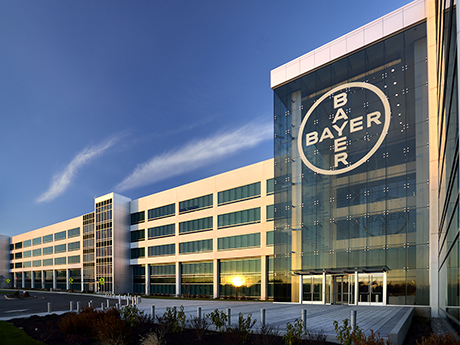
Combinations of offices with laboratories, research and development spaces and/or manufacturing areas make life sciences facilities highly customizable. These multipurpose, technical spaces are in high demand from companies seeking first-class facilities for research-based advancements. Low vacancies, high rents and the chance to convert unused office or retail spaces on a faster timeline have prompted some creative approaches to retrofit existing space to fulfill the needs of science and technology tenants. In other instances, facilities must be built from the ground up to conform to best practices. But what factors matter most to the life sciences field? And how can developers increase their speed to market? Read on for tips and checklists for developers hoping to speed up the process of building or retrofitting these facilities. Industry Drivers: Speed to Market and Flexibility Office conversions into life sciences facilities offer a variety of options. Life sciences facilities often do not need to accommodate large trucks (eliminating circulation and loading dock concerns), they use office components and (most importantly) office conversions offer faster speed to market than other types of conversions. “Speed to market is most important for these developers/tenants. There is a shortage of space, so a well-designed, spec building will …
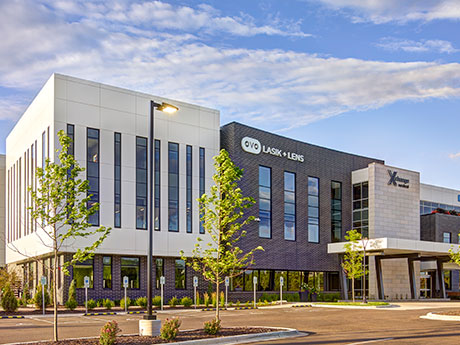
By Jill Rasmussen, Davis The Minneapolis – St. Paul medical office building (MOB) market remains strong with calculated strategic growth from both hospital systems and independent clinics. The MOB sector has been resilient during the pandemic, economic challenges and local civil unrest. Providers have been focused on expanding into new market areas to locate close to their patient base, providing full-service medical hubs offering outpatient surgery and specialty services to communities while offering lower-cost care away from a hospital campus. The overall market remains very stable with a current vacancy rate of 8.6 percent on-campus and 10.6 percent off-campus. There remains high interest in off-campus locations for most non-acute care for location access and cost savings. Base rents continue to increase both on- and off-campus due to demand and higher new construction pricing. Base rates have reached nearly $22 per rentable square foot (rsf) on average on-campus and $21/rsf for off-campus existing product. New MOB construction rates have increased from $24.50/rsf to $28+/rsf due to interest rate hikes and supply chain/labor issues, but new construction projects continue to move ahead based on provider’s strategic initiatives. Annual base rent increases are trending up due to current inflation levels from a historical …