

PHILADELPHIA — Marcus & Millichap has brokered the sale of a 33,762-square-foot industrial building in northeast Philadelphia. Built in 2004 and renovated in 2012, the single-tenant facility at 10049 Sandmeyer Lane features a clear height of 20 feet and was fully leased at the time of sale. Andre Fannin and Brian Higgins of Marcus & Millichap represented the seller and occupant, Dixon-Shane LLC, a subsidiary of Amneal Pharmaceuticals, in the transaction. The buyer was Faropoint.
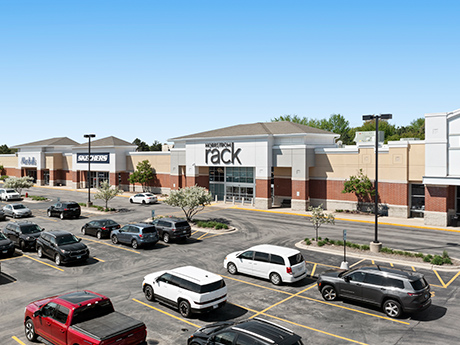
GENEVA, ILL. — Octave Holdings has acquired Randall Square, a 171,860-square-foot shopping center in the western Chicago suburb of Geneva. Tenants include Nordstrom Rack, Marshalls, Ulta, PetSmart, Skechers, Five Below, Uncharted and Old Navy. Joe Girardi and Emily Gadomski of Mid-America Real Estate Corp. represented the seller, Viking Partners. The sales price was $29 million, according to public records.
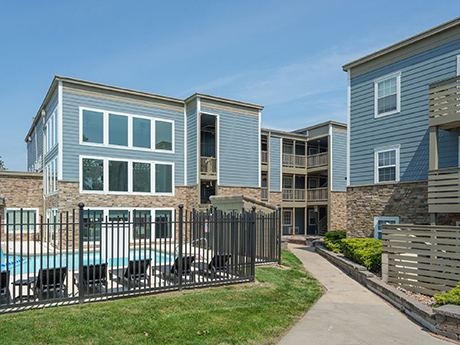
OVERLAND PARK, KAN. — MMG Real Estate Advisors has brokered the sale of Overland Station, a 300-unit multifamily community located at 7843 Riley St. in downtown Overland Park. The property was built in 1985. Harry Trotter, Brett Meinzer, TJ Wahl, Colson Bayles and Parker Guffey of MMG brokered the transaction. Buyer and seller information was not released.
PAPILLION, NEB. — Cavan Cos. has closed on the land for the development of The Bungalows at Prairie Hills, a 154-unit build-to-rent community in Papillion. The project marks the company’s third development in metro Omaha. Horizontal construction is expected to begin in May. One-, two- and three-bedroom floor plans will range from 683 to 1,389 square feet. The development will feature 104 detached garages, a clubhouse, fitness center and other shared amenities.
BENSENVILLE, ILL. — Colliers has negotiated a 134,360-square-foot industrial lease in Bensenville on behalf of the owner, Hamilton Partners. The tenant, Consolidated Electrical Distributors (CED), has leased space at 710 Foster Ave. and will move its operations from 2801 Busse Road in Elk Grove Village. The new, standalone building was completed in January. Hamilton Partners demolished five smaller buildings to make way for the project. The developer plans to build office space per the tenant’s specifications to complement the building, which features a clear height of 32 feet, 26 exterior docks and parking for 112 cars. Tom Rodeno, Matthew Stauber and Patrick Turner of Colliers represented the landlord, while Adam Stokes of NAI Hiffman represented the tenant.
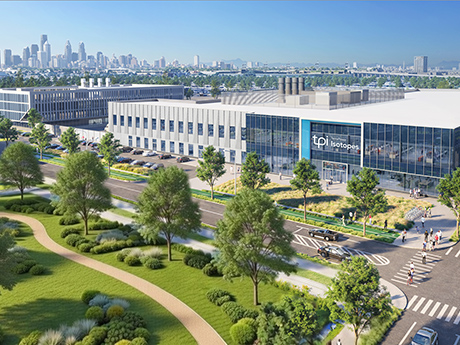
PHILADELPHIA — Nuclear science company TerraPower Isotopes (TPI) has unveiled a $450 million investment plan to establish a radioisotope manufacturing facility in Philadelphia that will support the development of cancer-fighting drugs. The Commonwealth of Pennsylvania is investing $10 million for the project, which is expected to create 225 new full-time jobs over the next three years. TPI will lease a 250,000-square-foot build-to-suit facility within The Bellwether District, a 1,300-acre industrial campus in South Philadelphia that is the redevelopment of the former Philadelphia Energy Solutions refinery. TPI will utilize the flagship East Coast facility to produce actinium-225 for use in the development of cancer treatments. TPI received a funding proposal from the Pennsylvania Department of Community and Economic Development for a $7 million grant through the PA SITES Program, and a $3 million Pennsylvania First grant. The company is also eligible to apply for the department’s Manufacturing Tax Credit and the Qualified Manufacturing and Innovation Reinvestment Deduction programs. According to TPI, the development of an East Coast manufacturing facility, along with expanding capacity in its existing Everett, Wash., facility, will increase production capacity 20-fold of actinium-225. Real estate investment company HRP Group, formerly known as Hilco Redevelopment Partners, is developing The …
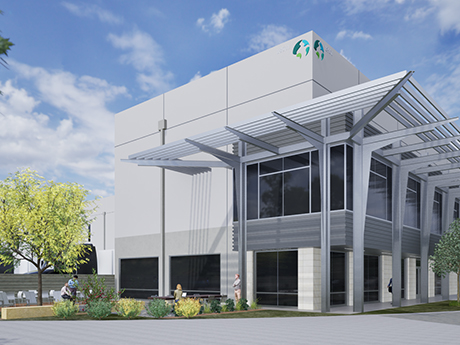
CYPRESS, TEXAS — Enchanted Rock has signed a 407,302-square-foot industrial lease in the northwestern Houston metro of Cypress. The power generation company and provider of clean energy solutions will occupy the entirety of the building at 18501 Mound Road, the first building to be delivered within Prologis’ 350-acre Legacy Point development. Building features include a cross-dock configuration, 36-foot clear heights and “abundant” car and trailer parking. Robert Alinger and Wes Williams of Colliers represented Prologis in the lease negotiations. Enchanted Rock was self-represented.
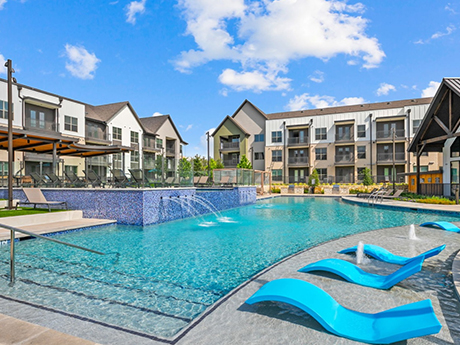
SAN ANTONIO — Walker & Dunlop has arranged a $46.5 million loan for the refinancing of Park at Westover Hills, a 372-unit apartment community located in the Far West submarket of San Antonio. Park at Westover Hills is a garden-style community that consists of 14 buildings that house studio, one-, two- and three-bedroom units. Amenities include a pool, fitness center, conference rooms, coffee bar, outdoor grilling and dining areas and two dog parks. Walker & Dunlop Investment Partners provided the loan to GenCap Partners, which developed the property in partnership with International Development.
HOUSTON — JLL has negotiated the sale of the Northwest Houston Manufacturing Portfolio, a collection of four single-tenant industrial buildings totaling 127,626 square feet. The buildings were all constructed between 2000 and 2005 and feature an average clear height of 24.5 feet. Trent Agnew, Charles Strauss and Lance Young of JLL represented the undisclosed seller in the transaction. Campbell Roche, Jarrod McCabe and Jack Britton, also with JJLL, arranged acquisition financing through Washington Federal Bank on behalf of the buyer, MoxieBridge. The portfolio was 100 percent leased at the time of sale to a roster of tenants with a weighted average remaining lease term of 3.8 years.
SHERMAN, TEXAS — Marcus & Millichap has brokered the sale of a 69-room Comfort Inn hotel in the North Texas city of Sherman. Built on 4.3 acres in 1999 and renovated in 2020, the hotel offers a business center, fitness center, indoor pool and onsite laundry facilities. Chris Gomes, Allan Miller and Skyler Cooper of Marcus & Millichap represented the seller and procured the buyer, both of which requested anonymity, in the transaction.