

By Leirion Gaylor Baird, Mayor of Lincoln, Nebraska
All roads lead to Lincoln. Located midway between Chicago and Denver, our capital city has long served as a crossroads for touring legends, local artists and fans who pack historic music venues night after night. Our live music scene has grown organically in bars, theaters and alleyways, becoming a defining part of our civic DNA.

Now, Lincoln is intentionally amplifying this authentic strength and sound. Through the creation of the Boehmer Street music district, the City of Lincoln, in partnership with the Downtown Lincoln Association and with support from the Nebraska Department of Economic Development, is investing in assets that define our unique cultural landscape. This effort advances a longstanding plan to designate a music district as a downtown catalyst.
Our vision is to convert underutilized downtown space into active, mixed-use momentum that grows economic opportunity, strengthens quality of life and brings renewed vitality to our urban core.
Anchor culture, community
The Boehmer Street music district links three major geographic anchors — the University of Nebraska–Lincoln campus, the State Capitol and our iconic main street — to form a walkable corridor. Longstanding, thriving music venues, including the Zoo Bar, The Bourbon Theatre, Duffy’s Tavern, 1867 Bar and Bodega’s Alley, provide the foundation. Naming the corridor “Boehmer Street” in honor of the Zoo Bar’s legendary owner, Larry Boehmer, ties the district to its musical legacy, strengthening place identity and tourism appeal.
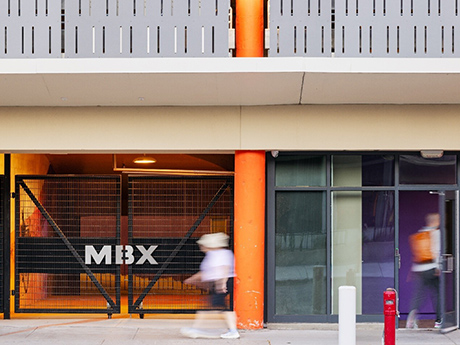
Building on Lincoln’s proud musical tradition is The Music Box (MBX), an incubator we created to support career pathways, retain creative talent and seed the local music economy. Located in a previously underutilized city-owned space, MBX transforms dormant square footage into an engine of creativity, education and economic activity.
By providing affordable rehearsal space, production capabilities and experiential learning, MBX equips musicians, producers and sound and lighting engineers to build sustainable careers while enjoying the high quality of life our community offers. By investing in this creative ecosystem, we are ensuring that artists do not have to leave Lincoln to grow professionally. Instead, they can build their futures here, strengthening both our cultural capital and our local economy.
Bringing streets to life
Beyond the venues, strategic placemaking has been a key component of the district’s success. Surrounding streetscape improvements, including landscaping, lighting and seating, serve as pedestrian amenities and visible connections between venues that support the walkability and cohesion of the district.
The Downtown Lincoln Association, working closely with city officials, artists and local businesses, has implemented alleyway installations, pop-up performances and street activations to bring energy to underutilized spaces. These efforts transform ordinary streets into lively public spaces, encouraging foot traffic and fostering a sense of belonging. Seasonal events, collaborative exhibitions and small-scale performances not only attract visitors but also create the conditions for repeat engagement, building a loyal downtown audience over time.
Culture meets commerce
As foot traffic increases, so does interest from retailers, restaurateurs and developers. Business owners report stronger evening and weekend activity tied to events in the district. A local developer who has planned new retail by repurposing an abandoned bank drive‑thru demonstrates how private investment is following our placemaking efforts.
Nearby multifamily, hospitality and mixed-use projects, including the forthcoming “B Flats” apartments, are gaining traction and responding to renewed energy and demand.
In larger metropolitan markets, downtown revitalization often depends on major corporate relocations or billion-dollar developments. In mid-sized Midwest cities like Lincoln, success follows a different formula. Carefully planned cultural investments, even those modest in scale, can produce outsized ripple effects. By strengthening cultural vitality downtown, cities create the conditions for sustained commercial growth.
The Boehmer Street music district demonstrates that arts investment and economic development are mutually reinforcing strategies. When people choose to gather downtown for music and cultural events, they also dine, shop and consider living nearby. Vibrancy builds confidence, and confidence attracts capital. We are witnessing how public placemaking spurs private investment that catalyzes mixed−use momentum.
Urban revitalization model
For cities across the Midwest, Lincoln’s experience shows how arts and culture can create a competitive advantage for mid-sized markets. Thoughtful investments in creative placemaking help retain residents, attract visitors and stimulate investment in commercial real estate.
The Boehmer Street music district underscores the value of intentional programming, strategic partnerships and a focus on distinctive identity. By supporting local artists and venues rather than simply importing outside attractions, cities can create spaces that feel genuinely lived-in and culturally rich.
Looking forward, Lincoln continues to build on this progress, expanding programming and encouraging adjacent development that blends residential, retail, office and hospitality uses. As more people choose to live, work and gather downtown, these investments support a walkable environment where arts, commerce and community activity reinforce one another.
For developers, investors and civic leaders, Lincoln’s model shows mid‑sized cities can stage big outcomes with modest, targeted investments, aligning planning, partnerships and programming to turn “spaces people pass through” into “places people choose to gather.” In doing so, cities strengthen not only their streetscapes, but their long-term economic vitality.
Leirion Gaylor Baird is the mayor of Lincoln, Nebraska. This article originally appeared in the April 2026 issue of Heartland Real Estate Business magazine.