CHANDLER, ARIZ. — Tech giant Intel Corp. (NASDAQ: INTC) has signed a definitive agreement with the infrastructure affiliate of Brookfield Asset Management (NYSE: BAM), a global alternative asset management firm, to fund the expansion of its Ocotillo semiconductor manufacturing campus in Chandler. Under terms of the agreement, the companies will jointly invest up to $30 billion in the buildout, with Intel providing 51 percent and Brookfield Infrastructure Partners providing 49 percent of the total project costs. Dubbed the “Semiconductor Co-Investment Program,” the partnership will create two new production facilities on the 700-acre campus, which Intel established in 1980. Santa Clara, Calif-based Intel will retain majority ownership and operating control of the two new chip factories. No construction details or timeline were disclosed. Semiconductors, or chips, are an essential element of most all electronic and computing devices, including electric vehicles, phones, tablets, TVs, home appliances, solar panels and gaming consoles. “Semiconductor manufacturing is among the most capital-intensive industries in the world,” says David Zinsner, Intel’s chief financial officer. “Our agreement with Brookfield is a first for our industry, and we expect it will allow us to increase flexibility while maintaining capacity on our balance sheet to create a more distributed and …
Search results for
"stock"
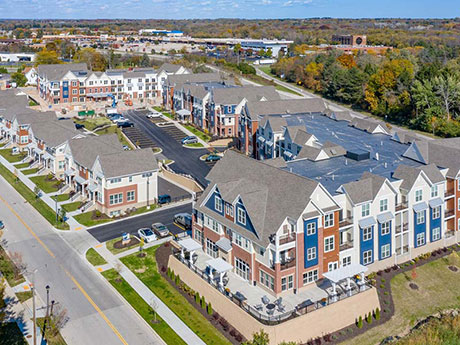
BROWN DEER, WIS. — JLL Capital Markets has brokered the sale of Bevy Apartments in Brown Deer, a northern suburb of Milwaukee. The sales price was undisclosed. Built in 2020, the multifamily property features both apartments and townhomes. Units average 961 square feet and come in a variety of studio, one- two- and three-bedroom floor plans. Amenities include a fitness center, outdoor terrace, clubroom, dog park and underground parking. Wick Kirby, Amanda Friant, Jeremy Weinstock and Jaime Fink of JLL represented the seller, Fiduciary Real Estate Development Inc. JVM Realty Corp. was the buyer.
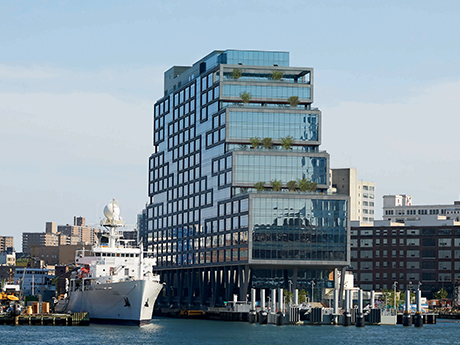
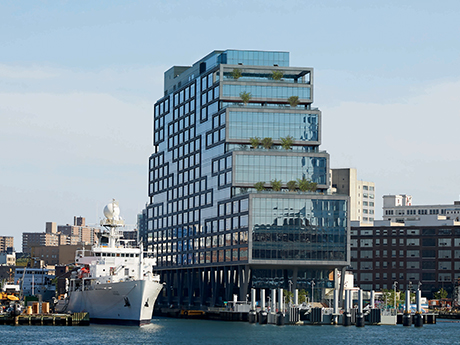
NEW YORK CITY — Digital marketing agency Huge Inc. has signed a 71,000-square-foot office headquarters lease at Dock 72, a 675,000-square-foot waterfront office building located within the Brooklyn Navy Yard. The tenant will relocate from 45 Main Street to the top two floors of Dock 72 in the first quarter of 2023, joining existing tenants WeWork and Food52. Cara Chayet, David Hollander, Liz Lash and Ken Rapp of CBRE, along with internal agent Winter Stockwell, represented Huge in the lease negotiations. Joe Cirone, Ron Lo Russo, Patrick Dugan and Pierce Hance of Cushman & Wakefield, along with Sacha Zarba and Freddie Fackelmayer of CBRE and internal agents Andrew Levin and Robert Steinman, represented the landlord, a partnership between Boston Properties and Rudin.
By Taylor Williams First things first: By most objective metrics and standards, multifamily assets in major Texas markets still represent strong investment propositions relative to certain other commercial sectors, as well as to the stock market, the other long-term vehicle to which real estate investments are most commonly compared. But as we cross the midpoint of 2022, the U.S. economy finds itself awash in a unique combination of challenging and extreme circumstances. Mainstream news coverage increasingly includes the word “record” in reports on inflation, one-off interest rate hikes and movement in the 10-Year Treasury yield. The yield on two-year Treasury notes recently eclipsed that of the 10-year, creating the “inverted curve” that has historically been an indicator of an upcoming downturn. Rumblings of an imminent recession grow louder by the day. Fear is contagious, and some markets are already showing signs of hunkering down in anticipation of a downturn. The expectation of recession, let alone the materialization of it, impacts even the strongest of markets, including multifamily assets in Texas. Investors and brokers who specialize in the property type recognize that certain factors — net in-migration of hundreds of thousands of people per year, exceptional corporate relocation activity, and supply …
By Taylor Williams The factors and parameters by which commercial lenders and investors underwrite, value and price assets are changing at whirlwind speeds, creating a capital markets landscape that is defined by volatility as the second half of the year unfolds. Capital markets professionals — as well as regular consumers — seem to agree that interest-rate hikes are a necessary evil in warding off record-high inflation. The Consumer Price Index (CPI) rose 8.6 percent year-over-year in May, the latest data available at the time of this writing. But a lack of clarity on the magnitude of these future rate hikes makes it increasingly difficult for commercial borrowers to accurately gauge risk in their deals and project cash flows at their properties. The Federal Reserve’s decision to raise the federal funds rate by 75 basis points at its latest June meeting illustrates the impulsiveness and hastiness with which fiscal policy is being crafted. Prior to the release of the May inflation report the previous week, investors had widely anticipated a 50-basis-point hike. Reports of an even more aggressive rate bump crystallized fears of inflation and sent the stock market into a spiral, with the Dow Jones Industrial Average shedding more than …
SEATTLE AND SAN FRANCISCO — Seattle-based tech giant Amazon (NASDAQ: AMZN) has agreed to acquire San Francisco-based primary medical care chain One Medical (NASDAQ: ONEM) for $3.9 billion. One Medical operates over 180 doctor’s offices throughout major metro areas in the United States. Approximately 767,000 people have memberships to One Medical, paying a $200 annual subscription fee for the service. The company also mixes in-person, digital and virtual care services, with the intent of being convenient to where people already work, shop and live. Amazon has been pushing its way into healthcare in recent years, and the One Medical acquisition represents its biggest push into the sector to date, particularly regarding the physical real estate. “We think healthcare is high on the list of experiences that need reinvention,” says Neil Lindsay, senior vice president of Amazon Health Services. “Booking an appointment, waiting weeks or even months to be seen, taking time off work, driving to a clinic, finding a parking spot, waiting in the waiting room then the exam room for what is too often a rushed few minutes with a doctor, then making another trip to a pharmacy — we see lots of opportunity to both improve the quality …
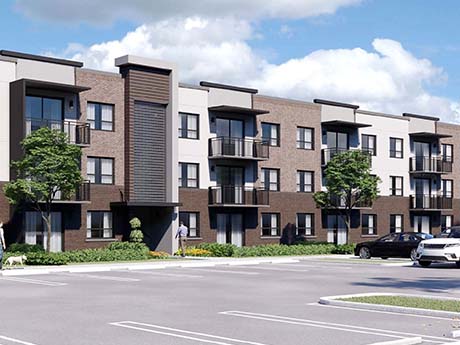
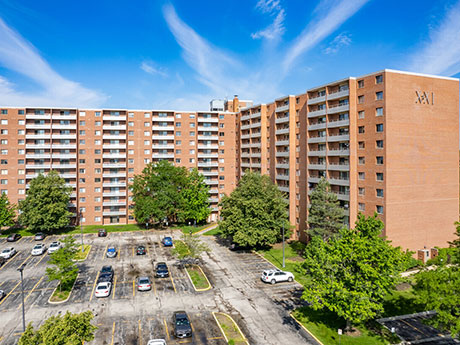
SCHAUMBURG, ILL. — Greystone has provided a $60 million loan for the acquisition of 21 Kristin in the Chicago suburb of Schaumburg. The buyer, Bayshore Properties, is converting the 357-unit property from condos into apartments. The mid-rise building, located at 21 Kristin Drive, was originally constructed in 1980. Eric Rosenstock and Dan Sacks of Greystone originated the bridge loan, which features a two-year term and interest-only payments. Greystone will work to secure permanent Fannie Mae financing. Under the Condominium Property Act in Illinois, condo unit owners can elect to sell a property if 75 percent or more are in agreement. Sellers then have the option to either move out of their units or lease them back from the new owner.
It’s a challenging world right now. Inflation, rising interest rates, persistent supply chain lags and labor shortages are affecting the retail industry. That’s to say nothing of the always changing retail environment. But there are also consumers who are ready to put COVID behind them — who are looking for a reason to venture out, be entertained and spend some money (though maybe not as much money, thanks to inflation). You also have shopping center owners who are quite eager to give these consumers what they want. While architects and designers can’t remove problems like rates or inflation from an owner’s plate, they can help them navigate — and win — in this new market. How? By making sure every detail, dollar and person counts. Multifaceted Designers Strength in numbers is always appreciated when times are tricky. Frankie Campione, principal at CREATE Architecture Planning & Design in New York City, notes designers are collaborating more than ever to get the job done. This type of collaboration is particularly useful during the current materials shortage, he notes. “There doesn’t seem to be any way to know what shortage may affect any particular project,” Campione says. “There are two projects, both on Long …
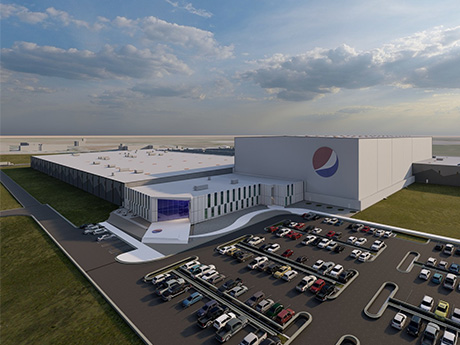
DENVER — PepsiCo Beverages North America (PBNA), a subsidiary of food and beverage giant PepsiCo Inc. (NASDAQ: PEP), has acquired nearly 152 acres of land in Denver. The company plans to build a 1.2 million-square-foot manufacturing facility on the site, which will be its largest in the country. The project will be triple the size of Pepsi’s existing facility in Denver’s River North Art District, where the company has operated since the 1950s. The new plant is scheduled to open in 2023 and will produce a variety of the company’s name-brand beverages, such as Pepsi, Pepsi Zero Sugar, Gatorade, bubly, Rockstar, Propel and Muscle Milk. The site is located within the Denver High Point development area, a massive, 5 million-square-foot industrial park currently under construction approximately 18 miles east of downtown near Denver International Airport. The new Pepsi plant will be the company’s most sustainable yet, according to the company, with plans for 100 percent renewable electricity, best-in-class water efficiency and reduced virgin plastic use. The initiative is part of Pepsi’s “pep+” pledge to positively impact the planet. Pepsi says the new location will also create 250 new jobs, in addition to the 250 employees already working at the downtown …