

— By Sean Spellman of JLL —
While Metro Phoenix’s best-of-the-best office submarkets are thriving, overall fundamentals are being shaped by our supply story. That narrative is one where new construction is metered and speculative development is expensive. The result is a lack of new inventory that could limit corporate location decisions, especially from tenants comparing top-tier availability across multiple markets.

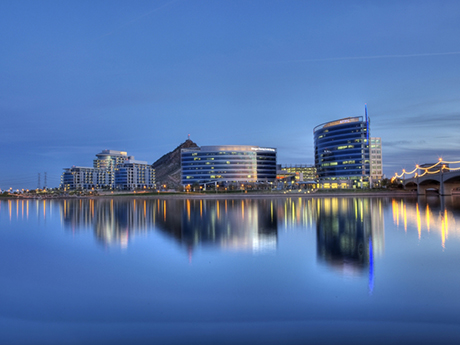
Today’s Metro Phoenix demand is definitively concentrated at the high end of the product spectrum. Downtown Tempe uniquely reflects this trend. During the pandemic — and on the heels of a flood of new office construction — this typically single-digit-vacancy office market skyrocketed to 30 percent vacancy. Fortunately for downtown Tempe, those new office deliveries were dominated by amenity-rich, Class A product.
In the years since, a flight to quality has eased downtown Tempe’s office market vacancy back into the 5 percent range. Developments like Hayden Ferry Lakeside have absorbed almost all of the occupancy lost during the pandemic, and prospective tenants are actively competing for what Class A space remains.
The highly amenitized Grove in the Camelback Corridor has enjoyed similar success. Along with the office space at Goodyear Civic Square, it’s one of the last speculative Class A developments to deliver in Metro Phoenix. It was also started pre-pandemic with commensurately lower construction costs.
JLL’s fourth-quarter Phoenix office market dynamics report notes that this demand for premier space is creating a widening performance gap between modern, well-located assets and older commodity product.
Pricing reflects that disconnect, with overall direct asking rent sitting at $30.96 per square foot, while Class A buildings easily command $40 per square foot, and often much higher in popular submarkets. The fourth quarter also marked the second consecutive quarter of record-high average rents, with expectations that rents will continue to climb as available inventory contracts.
A few build-to-suit offices are also underway, including the headquarters for both Republic Services and Sprouts at CityNorth. When it comes to speculative development, however, a pre-lease is virtually a must. What’s also a must is a tenant willing to wait the two to three years that are needed to build and deliver this type of product.
On the upside, Phoenix’s durable popularity keeps demand high. JLL’s fourth-quarter data shows total vacancy down to 23 percent, though it’s still hindered by nearly 4.8 million square feet of available sublease space. Meanwhile, year-to-date office absorption sits at 708,536 square feet, primarily in top submarkets. Though construction costs remain high and financing is stubbornly tight, there was 442,449 square feet in the development pipeline, with new deliveries fully pre-leased.
As it stands now, our tour activity is brisk, and prospects are still dazzled by Phoenix’s climate, lifestyle and economy. If we can build the top-tier office inventory needed to attract interested new business while supporting the growth of the enterprise already here, I’m confident Phoenix’s magic can do the rest.
— By Sean Spellman, Managing Director, JLL. This article was originally published in the January 2026 issue of Western Real Estate Business.